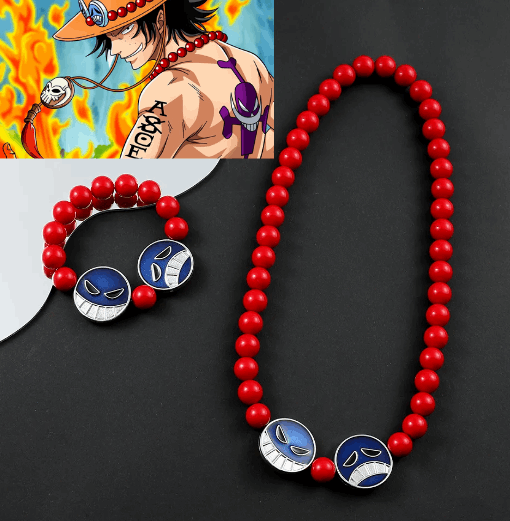


Ever feel like some anime characters are just too slippery to trust? That gut-wrenching moment when a character you believed in completely flips the script is one of the most electric experiences in all of anime. We're diving deep into the world of anime frauds, the tricksters, con artists, and master manipulators who had entire fanbases fooled for seasons on end. Whether you're a collector hunting for merch that captures that chaotic energy, a cosplayer looking for your next iconic villain era, or just a die-hard fan who loves debating unforgettable betrayal moments, this one's for you. These characters don't just lie. They make an art form out of it.
The Ultimate Con Artists: Villains Who Fooled Everyone
Some anime villains are upfront about their evil. They wear dark capes, give menacing speeches, and make it very clear whose side they're on. But the truly legendary frauds? They hide in plain sight, and that's exactly what makes them so terrifying.
Take Sosuke Aizen from Bleach, for example. For the first stretch of the series, he walked around as the mild-mannered, glasses-wearing captain of Squad 5. Soft-spoken, helpful, even kind. Fans genuinely liked him. Then came one of the most jaw-dropping reveals in shonen history. Aizen wasn't just a bad guy. He had orchestrated events across decades, manipulating every single character around him while wearing a perfectly crafted mask of innocence. The glasses coming off became a cultural moment in anime history.
Then there's Light Yagami from Death Note, who operates as a different kind of fraud entirely. He doesn't hide among heroes; he presents himself as justice itself. His manipulation of everyone around him, from his own family to the world's greatest detective, is so calculated it almost earns admiration. Almost.
When the "Good Guy" Was the Biggest Fraud All Along
The most gut-punching frauds are the ones wearing hero costumes. Griffith from Berserk is the perfect example of a character who built genuine emotional investment with fans, only to shatter it completely. He was charismatic, visionary, and seemed to genuinely care about his comrades. The Eclipse changed everything. His betrayal didn't just shock fans; it redefined what betrayal could look like in anime storytelling.
Reiner Braun from Attack on Titan hits differently because the audience experiences his fraud from the inside. Watching him break down as he confesses his identity to Eren is one of the most emotionally complex scenes in modern anime. He wasn't just a villain playing hero. He was someone genuinely torn apart by the role he had to play, and that complexity is what makes him one of the most discussed frauds in the community.
Frauds We Lowkey Respect: Characters With the Slickest Schemes
Not every anime fraud leaves a bad taste. Some of them pull off schemes so clever, so layered, and so stylishly executed that you can't help but root for them even when you know you shouldn't.
Lelouch vi Britannia from Code Geass built an entire rebellion on deception. His whole identity as Zero is a constructed fraud, a masked persona designed to inspire a movement while keeping his real motives hidden. But here's the thing: his goals, messy and morally complicated as they are, come from a real place. Watching him outmaneuver enemies three steps ahead is genuinely thrilling, and the fandom's love for him has never cooled.
Liar Game's Nao Kanzaki might not be the fraud herself, but the series introduced a whole world of psychological con artistry that anime fans quickly fell in love with. Characters who weaponize trust, exploit expectations, and flip the game entirely are a staple of the genre for a reason. They make you lean forward and think.
The Art of the Anime Deception: Why We Can't Help But Root for Them
There's a reason anime frauds become fan favorites so consistently. Great deception storytelling taps into something deeply satisfying. It rewards attentive viewers who pick up on the clues, and it delivers massive payoffs for those who didn't see it coming.
When a fraud character is written well, their schemes feel earned. Every lie has a foundation. Every manipulation has a motive. And when the curtain finally drops, the best reveals recontextualize everything you thought you knew about the story. That's elite-level writing, and anime does it better than almost any other medium.
Characters like Orochimaru from Naruto, who spent years hiding his true agenda behind a mentor-like facade, or Makishima Shogo from Psycho-Pass, who operated as a philosophical ghost in a surveillance society, show just how varied the fraud archetype can be. Each one uses deception differently, and each one leaves a mark.
Fraud Moments That Broke the Anime Community
Some betrayal moments don't just surprise you. They rewire how you watch anime entirely. These are the scenes that had fans pausing episodes, rewinding, and flooding forums with disbelief.
The Aizen reveal in Bleach is arguably the gold standard. The pacing, the visual storytelling, the quiet devastation on every character's face. It was perfectly constructed. Even fans who had suspicions weren't fully prepared for the scale of it.
Attack on Titan delivered multiple community-breaking moments tied to its fraud characters. The reveal of the Armored and Colossal Titans in Season 2 sent shockwaves through the fandom. The show had spent so much time building relationships and trust that the reveal felt genuinely personal, not just narratively, but emotionally.
The Betrayals That Still Hurt Fans to This Day
Some betrayals age like fine wine. You revisit them years later and they still sting.
Griffith's betrayal in Berserk remains one of the most discussed moments in anime history, not because it was surprising in a cheap way, but because it was the culmination of years of built-up trust and camaraderie. It hurt because it was supposed to hurt. That's the hallmark of a truly great anime fraud.
Itachi Uchiha from Naruto deserves a special mention here because his fraud was ultimately an act of sacrifice. He played the villain for years, allowing himself to be hated by his own brother, to protect a larger truth. When the full picture finally emerged, the fandom's grief turned into something much more complicated. Itachi didn't just fool Sasuke. He fooled all of us, and somehow, that made us love him even more.
Even smaller-scale frauds leave lasting impressions. Shinji Matou's manipulations in Fate/stay night, Makoto Itou's emotional deceptions in School Days, characters who operate on a more personal level of betrayal can cut just as deep as the grand conspirators.
Celebrating the Chaos: Why Anime Frauds Are Unforgettable
Anime frauds make our favorite shows unforgettable. They shock, thrill, and keep us guessing until the very end. From masterful villains orchestrating centuries-long plans to sneaky antiheroes tearing themselves apart over the lies they live, these characters define what makes anime storytelling so exciting and so emotionally resonant.
The fraud archetype works because it mirrors something real. Trust is fragile. Appearances are constructed. And the most dangerous people in any room are often the ones who seem the most trustworthy. Anime just takes that truth and turns it into something spectacular.
So which anime fraud lives rent-free in your head? Is it Aizen's cold smirk as the glasses come off? Itachi's final revelation? Reiner's shaking confession? Whoever it is, that character clearly did their job perfectly.
The best way to celebrate that chaotic energy is to wear it, collect it, and share it with the community. From figures to apparel, the frauds of anime deserve a permanent spot in any fan's collection. After all, the greatest trick these characters ever pulled was making us love them even after everything they did.
Looking for more anime merchandise? Explore Anime Finds to discover Anime Merchandise.


